What Is Spinal Decompression Therapy?
 Spinal Decompression Therapy is designed to treat people who are suffering from back and neck pain through non-surgical methods that help reduce pressure from the spinal cord and the surrounding nerves and muscles. This non-invasive method of treatment is a viable option for those who are looking to avoid surgery and have found no relief from other non-surgical treatments. Through research and scientific trials of analyzing this method of treatment, Spinal Decompression Therapy works together with the spine and muscles to effectively provide relief from back pain and spinal discomfort.
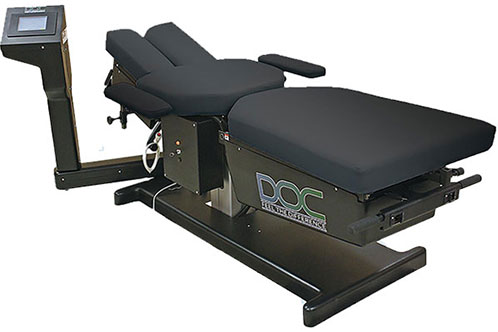
At Back Pain, Neck Pain & Headache Relief Center of Pleasanton, we utilize the latest technology to assist with Spinal Decompression Therapy such as, the DOC decompression table. Research has indicated that these types of machines combined with our treatment at Back Pain, Neck Pain & Headache Relief Center of Pleasanton, have proven time and time again that pain relief can be accomplished without having surgery or using pain medication, and without feeling like you are wasting your time and money.
If Spinal Decompression is right you, the doctors at Back Pain, Neck Pain & Headache Relief Center of Pleasanton will create a treatment plan customized to your specific needs and conditions.
The objective of Spinal Decompression Therapy focuses on relieving chronic pain in the back and legs that is caused by many conditions including herniated discs and degenerative discs. At Back Pain, Neck Pain & Headache Relief Center of Pleasanton, we work diligently to help free your spine of compression, which is the way it was before your pain began, and to get you as close to normal as physically possible. It is important to understand that Spinal Decompression Therapy is NOT Traction Therapy.
Spinal Decompression Vs Traction Therapy
What’s the difference between Spinal Decompression Therapy and Traction Therapy? The biggest difference between the two is the “Vacuum Effect” that occurs from Spinal Decompression Therapy, which does not happen with Traction Therapy. In fact, traction therapy tugs on the body in a way that causes the muscles to respond and contract. This response will increase the amount of pressure to the vertebral disc that is affected and, ultimately, create more pain. The Vacuum Effect is so important because it is the negative pressure created through Spinal Decompression Therapy that allows nutrients and oxygen to repopulate the disc area and begin the healing process.
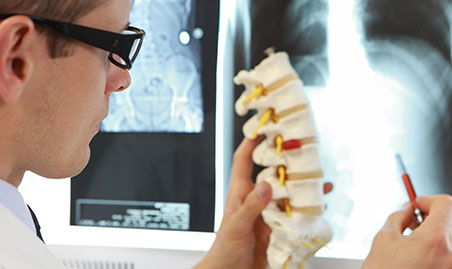 Through gradual degrees of calculated increases of distractive force and calculated angles to the specific vertebral disc, Spinal Decompression Therapy slowly creates space between the discs to pull in the necessary nutrients and oxygen. Basically, the decompression device will slowly pull the vertebral discs apart to create the vacuum effect and allow the disc to rehydrate with the aforementioned fluids, which leads to pain relief and healing.
At Back Pain, Neck Pain & Headache Relief Center of Pleasanton, we have changed the lives of many patients with Spinal Decompression Therapy. Many of patients find relief from the unbearable, chronic back pain that suffer from daily. Prior to coming to our office, many of our patients believed that spinal surgery was the only answer, and with our help, they found a solution; they found pain relief. To get started, call now to schedule your initial examination consultation. Leave your back pain behind.