Suffering With Knee Pain?
 The most basic daily activities, like grocery shopping, climbing the stairs, walking to your job, or just getting out of bed, can become difficult when experiencing knee pain. Knee pain can hurt your ability to function normally throughout the day. The great thing is, you don't have to live with the pain or take dangerous pain medication. Consider chiropractic care at Back Pain, Neck Pain & Headache Relief Center of Pleasanton.
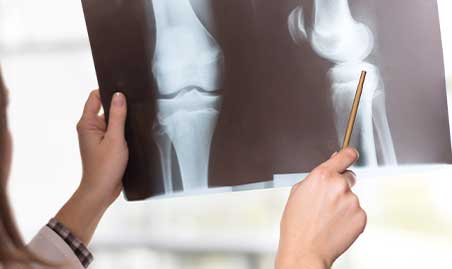 The knee is a complicated, weight-bearing joint that can experience pain for several reasons. The goal of chiropractic care is to find and treat the underlying causes, rather than just focusing on the symptoms. Common causes of knee pain include:
- Injuries (ACL tear, torn meniscus, knee bursitis)
- Mechanical problems (loose cartilage or bone
- Biomechanical problems (one leg is shorter, flat feet)
- Excess weight
- Arthritis
- Lack of flexibility
- Repetitive use injury Sports injuries (running, football, soccer, skiing)